

Every year, hundreds of young Nigerian women arrive in Dubai under the promise of modeling jobs, hospitality roles, or university scholarships. What they find instead is a system built on isolation, debt, and survival. Many end up in roles that are quietly labeled as "escort services"-a term that masks the harsh reality of economic coercion, visa manipulation, and social abandonment. This isn’t about choice. It’s about desperation dressed up as opportunity. Some turn to online platforms like escort forum to find clients, not because they want to, but because rent is due and their sponsor has cut off support.
The numbers are hard to track, but unofficial estimates suggest that between 1,500 and 3,000 Nigerian women are currently in Dubai under conditions that blur the line between labor migration and exploitation. Many arrived on tourist visas, then overstayed. Their passports are held by recruiters or "agents" who charge upfront fees of $5,000 to $10,000-fees they’re told they’ll pay back through their earnings. But when those earnings never come, and the visa runs out, they’re trapped. No job. No legal status. No way home.
Why Dubai? Why Nigeria?
Dubai doesn’t have a formal sex industry. Prostitution is illegal, and enforcement is strict. But demand exists-and so does supply. Nigerian women are targeted because they’re often seen as "exotic," fluent in English, and less likely to speak Arabic or connect with local support networks. In Nigeria, unemployment among women aged 18-25 hovers around 40%. In cities like Lagos and Port Harcourt, a university degree doesn’t guarantee a job. Many families sell land, take out loans, or drain savings to send daughters abroad, believing Dubai is the path to financial security.
The irony? Many of these women are more educated than the clients they serve. One woman, who asked to remain anonymous, had a degree in communications from the University of Ibadan. She worked in a call center for six months after graduation before being recruited by a "modeling agency" in Abuja. Her first flight was to Dubai. Her second job was as a companion for men who paid $300-$600 per night. She didn’t see herself as a prostitute dubai. She called herself a "hostess." But the money didn’t come from hosting. It came from being alone with strangers in hotel rooms.
The Role of Technology and Online Networks
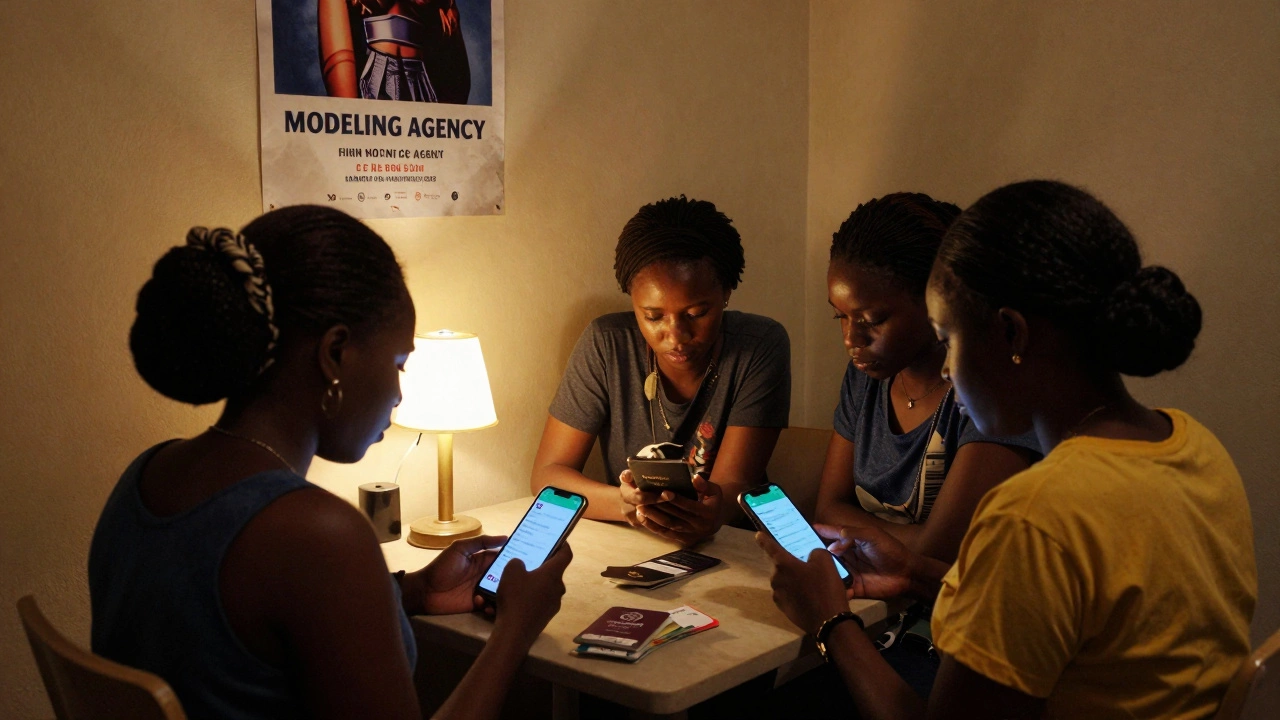
WhatsApp groups, Telegram channels, and private Instagram accounts have replaced street-based solicitation. These aren’t public marketplaces. They’re closed networks-often run by other Nigerian women who’ve been in the system longer. They share tips: which hotels are safest, how to avoid police raids, how to handle violent clients. Some even run small businesses on the side, selling makeup, lingerie, or fake IDs. One woman in Dubai told me she made more selling fake passports than she ever did from clients.
There’s a whole ecosystem around this. A woman might start as a companion, then move into managing others. She becomes a "fixer," connecting new arrivals with landlords, translators, and clients. The line between victim and operator blurs quickly. Survival isn’t linear. It’s layered. And the internet makes it easier to hide. That’s where the escortforum comes in-not as a place to advertise, but as a warning system. Women post screenshots of fake job offers. They share names of recruiters who steal money. They post in code: "Sister needs help with visa extension. Dubai. 2 weeks left. No papers. No money. PM me."
The Legal Trap
Dubai’s laws don’t distinguish between trafficking victims and sex workers. If you’re caught, you’re arrested-not as a victim, but as a criminal. No one asks if you were forced. No one checks your visa status. You’re detained, fined, and deported. Some women are held for months in immigration centers without charge. Others are sent back with a five-year entry ban. And if they return to Nigeria? They’re shamed. Their families disown them. Their education is seen as wasted. No one asks what happened.
There’s no government program to help them. No NGO has a presence in Dubai focused specifically on Nigerian women in this situation. The Nigerian consulate in Dubai is understaffed and overwhelmed. Most women never reach them. Those who do are often told to "wait for your sponsor to resolve it." But the sponsor? They’re long gone.
Who Benefits?
It’s easy to blame the women. But the real beneficiaries are the recruiters in Lagos, the landlords in Deira, the hotel managers who turn a blind eye, the delivery drivers who bring food to their rooms, the app developers who build anonymous payment systems, and the clients who pay in cash and never ask questions. No one gets prosecuted. No one goes to jail. The system runs because no one wants to look too closely.
Some clients are expats-engineers, sales reps, contractors-who come for short-term assignments. Others are locals who use these services discreetly. The women know this. They don’t hate the clients. They hate the silence. The silence of their own government. The silence of the international community. The silence of the people who call them "prostitutes" without ever asking why they’re there.

What Happens When They Try to Leave?
Leaving isn’t just about quitting. It’s about escaping debt, finding a new passport, avoiding arrest, and surviving long enough to get home. Some women escape to embassies in neighboring countries like Oman or Qatar. Others get help from underground networks run by former sex workers who now run shelters. One woman I spoke with spent six months hiding in a storage unit in Sharjah before a Nigerian pastor helped her get a flight back to Lagos. She arrived with $17 in her pocket and a broken wrist from a client who hit her.
There’s no rehabilitation program for these women in Nigeria. No counseling. No job training. Just silence. And shame. Many end up in the same cycle-re-recruited by the same agents who sent them out the first time.
It’s Not About Sex. It’s About Survival.
Calling them escort services or prostitute dubai reduces their pain to a stereotype. These are women who were promised a future and given a nightmare. They didn’t choose this life. They chose to survive it. Their stories aren’t rare. They’re systemic. And until someone starts asking why this keeps happening-not just in Dubai, but in cities from Bangkok to Istanbul-the same girls will keep arriving, full of hope, and leave, full of scars.
The world doesn’t need more moral outrage. It needs accountability. It needs to track who recruits them. Who profits. Who looks away. Until then, the escort forum will keep running. The Telegram groups will keep growing. And the women? They’ll keep surviving-one night at a time.